Mar 02, 2022 |
Ball Bearings
Finding of Correct Bearing Option for Your machine application.
A bearing is a mechanical part whose function is to guide a rotating shaft. The bearing, therefore, allows the rotation of one element relative to another.
Bearings are therefore high-precision parts that allow equipment to move at different speed levels by efficiently bearing loads. They must offer high precision and durability, as well as the possibility of working at high speeds with minimal noise and vibration.
Bearings are found in all applications such as example, steel industry, Paper industry, Agriculture industries, etc.
One should know these seven factors while selecting the perfect bearing:
1. Bearing Load Type
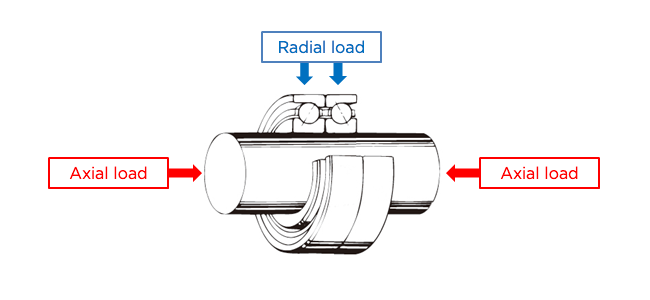
Basically, there are three load types you should know before selecting a bearing:
- Radial Loads: Radial load is exerted at a right angle to the shaft
- Axial Loads: Axial load measures forces acting in parallel with the shaft
- Combined Loads: Radial and axial loads can combine in a system to create a moment or combined load.
For bearing radial and combined loads, Thrust bearings are used and linear bearings can take axial loads. Precisely, for bearing both high radial and axial loads tapered roller bearings can be used, making them suitable for applications in a wide range of industries.
2. Rotational Speed
Bearing is made to work well at a specific range of speeds. A system that moves fast will need different bearings than one that moves at a slow rate. High-speed bearings must keep working safely even if they are slightly out of alignment, which can have a much more significant effect when turning quickly. Higher rotational speeds best come with ball bearings while slower speeds are best handled by rolling bearings.
3. Lubrication Type
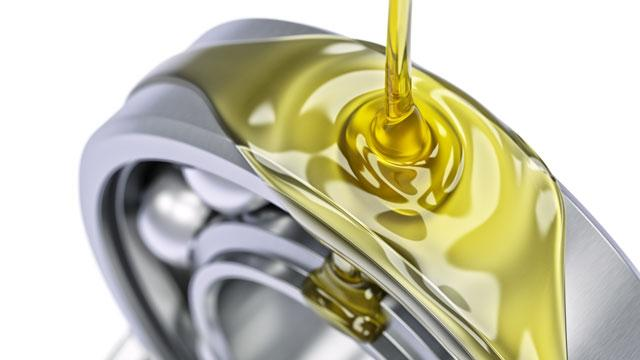
Bearings require a level of lubrication in the rolling element, cage, and raceway to ensure the smooth transmission of speed between components is a continuous process. There are three types of lubricant used in the bearing: Grease, Oil, and Dry lubricant. According to conditions, each has its own benefits and properties to your machines.
4. Machine Temperature
The operational temperature of the machine and mechanical device can vary, reaching highs of 300°C . This is an important consideration as the bearing material may deform under heat stress; and the lubricant can start evaporate and cause friction in the rolling elements. We have specially engineered their bearings to sustain high-temperature loads and transmissions.
5. Sealing
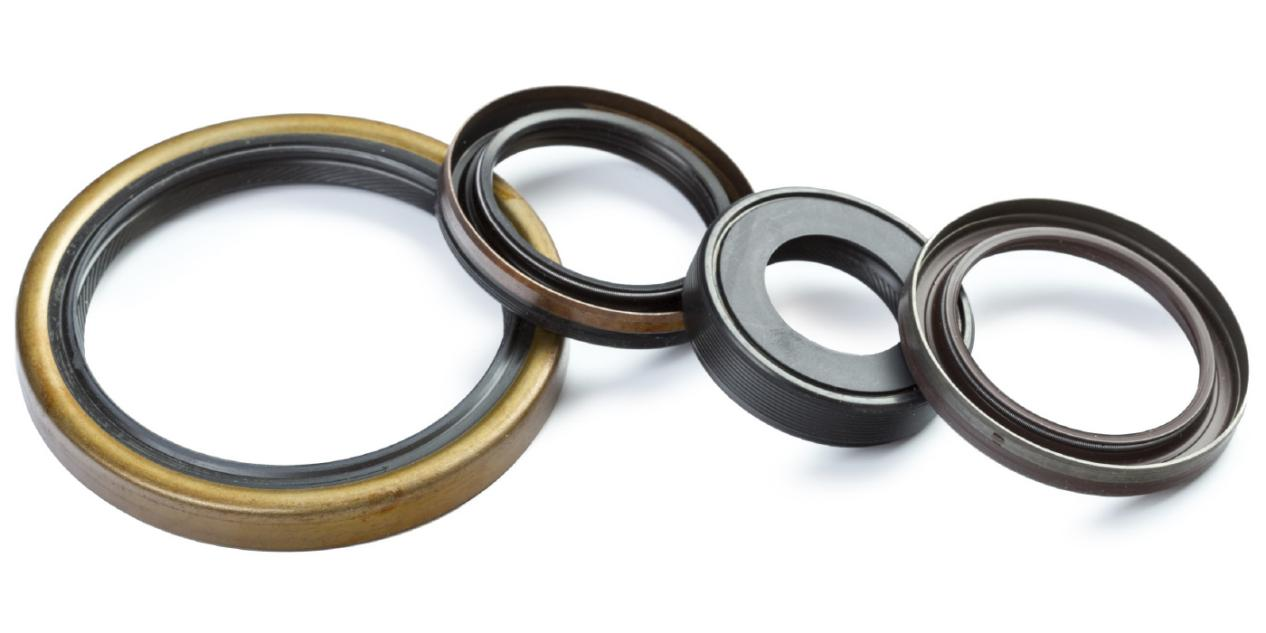
Sealing in bearing used to help to protect lubricant contamination and evaporation.There are basically, two type one is known as a shield which is of metal.and other one shields may also come in the form of a rubber seal.The choice of seal must consider the bearing itself, the type of lubricant it uses, the forces that will be applied to the seal, and the environment in which the equipment operates.
6. Operating Environment
Knowing the operating environment of your machinery will help you to choose the right bearing for your application, along with the most appropriate sealing solution and lubricant to support it. This will give your bearing the best possible chance of achieving a long service life, keeping your downtime to a minimum and optimizing your productivity. There are few core materials used to manufacture bearings.The most common are Stainless steel and chrome.Ceramic bearings having high hardness, anti-corrosive, durable, lightweight, high-temperature resistant, low in density with a lowered need for lubrication and maintenance.
7. Maintenance
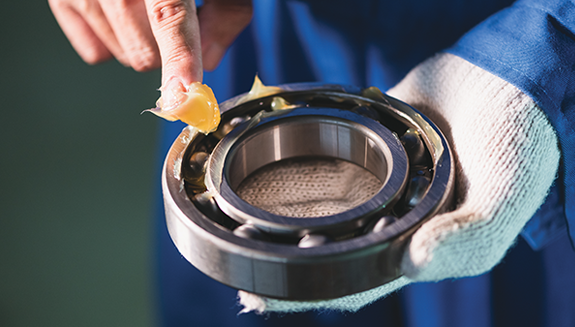
Prevention,prediction and reaction these three important terms are crucial in bearing maintenance. These are very crucial where particular bearings are applied to your machine. If the bearings in the use of oil lubricants require higher repetition of maintenance. As well as bearings used at a lower cost may need more predictive and preventive maintenance, causing a higher cost in the long term.So prefer quality bearing from us for better life.