Oct 19, 2022 |
Oil Seals
Selection of Right One Oil Seals for the for your Equipment.
In any mechanical manufacturing company, optimal performance and long service life are vital to your products’ success in the market. No matter how much we go deeper in considering the brand and in deciding which one would last longer than the other, it’s also significant to at least put into consideration the importance of maintenance and preventive measures.
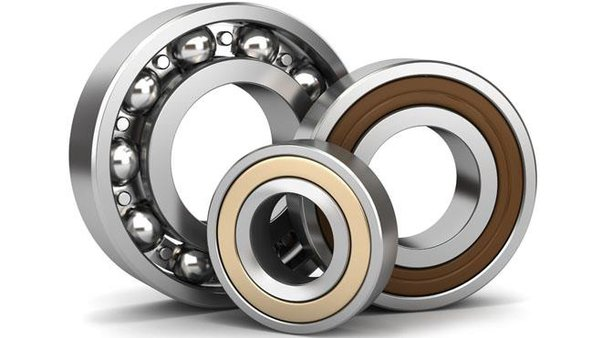
If there is any component that is under-appreciated within a mechanical assembly or a bearing assembly, it would be the oil seal. Due to its relatively inexpensive cost, the importance of oil seals is often being overlooked and neglected. However, being a game changer in a bearing assembly, one must know the benefits it contributes in keeping your machine in perfect shape.
What Are the Benefits of Oil Seals?
The strength, flexibility, and durability of oil seals provide a number of benefits to various industrial applications:
- Low levels of friction: The lubrication within the seal ensures that the seal lip does not come into contact with the rotary shaft, eliminating the risk of burning or wear.
- Compact size and light weight: Oil seals possess a small and lightweight design, which belies their strong endurance capabilities.
- Reliable, rugged performance: Even under harsh conditions or extreme temperatures, these durable components will maintain their seal.
- Simple construction: Easy to handle and assemble, oil seals only take a matter of minutes to replace as technicians do not have to take a machine apart.
- Versatility: Standard lip seals are best for applications within dry environments or those lacking lubrication. Oil seals can act as an alternative with increased functionality.
The material used for Oil Seal :
Based on the application of the oil seal, the outer skin layer tends to differ. Here are some types of materials used for the outer skin of the oil seal.
1. Nitrile rubber – The commonly used material for oil seals
2. Silicone – Used in specific applications where only light loads are applied.
3. Polyacrylate- Polyacrylate is a good combination of quality and cost benefits. It is highly resistant to oxidation and heated oil, withstanding temperatures from -25° F to 300° F.
4. Fluoroelastomer also popularly known as Viton. The high-temperature resistant material is used in places where the temperature is more than 120 Degree Celsius.
Before an oil seal is installed, considerations must be made with regard to the type of application parameters that it must function within. Considering these variables and factors ensures the right one is installed. A sound replacement affords mechanical longevity and proper functionality.
When selecting the right oil seal for your application, nine factors must be taken into consideration. Top bearing companies, designers, and maintenance engineers have specified the nine factors as:
- Shaft speed
- Temperature
- Pressure
- Shaft hardness
- Shaft surface finish
- Concentricity
- Shaft and bore tolerances
- Runout
- Lubricant
Keeping in mind these important factors will also determine the proper materials for building your oil seals. However, mistakes in the selection can result in total failure, premature wear, excessive internal pressure on the seal, cracks, lip hardening, swelling, etc.
And over time, this damage can lead to massive expenditure, specifically, if you overlook these issues and don’t address them promptly. However, selecting a proper profile for the application ensures optimum performance and a safe working environment for the upcoming years.